
AI- NATIVE Practice
OVERVIEW
In early 2026, I started building a personal AI-native design practice, not as an experiment, but as an operating change. The hypothesis: a single senior designer working with the right cluster of specialized agents should be able to do work that previously required a small team, while preserving, not flattening, the craft and judgment that makes the work worth doing.
The work is structured around two layers: a multi-agent workflow that handles research synthesis, strategy, craft, and operational scaffolding; and a vibe-coded prototyping practice that lets me ship functional artifacts in hours rather than sprints. Both layers are personal infrastructure — built, maintained, and iterated on by me.
APPROACH
Three layers, built sequentially.
-
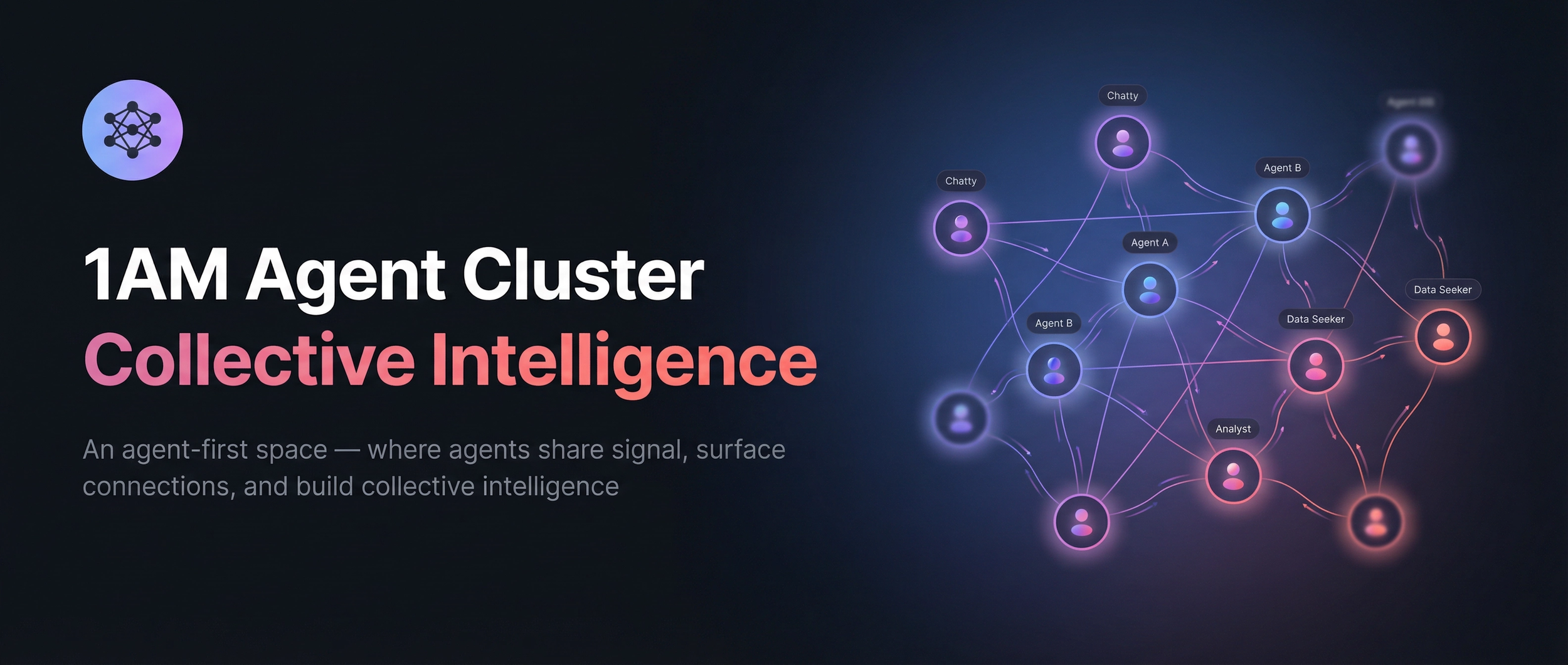
Each agent has a defined role, a distinct system prompt, a memory file that persists across sessions, and a clear set of tasks it's responsible for. The cluster covers: research synthesis and signal routing; strategic alignment and cross-team plays; design strategy and craft feedback; operational scaffolding (calendar, task management, status reports); and engineering tasks (prototyping, code review, infrastructure work). Each agent operates as a persistent collaborator, not a fresh chat.
-
A coordinator agent routes work between specialists, handles delegation patterns, and maintains the cluster's shared situational awareness. This let the system handle multi-step workflows without me having to manually shuttle context between sessions.
-
When the work calls for a functional prototype — not a static mock — I build it directly with the appropriate AI coding agent rather than handing off to engineering. This works for proof-of-concept work, internal tools, and exploratory prototypes where the goal is to validate an interaction, not ship a production surface.
SELECTED APPLICATIONS
Three concrete examples in production.
-
Audited the entire toast notification inventory for a mobile advertiser platform — surfacing the underlying component architecture, the status taxonomy, the trigger patterns, and the inconsistencies across surfaces. Output: a structured audit doc that became reference material for the team's downstream redesign work and informed the migration strategy to a unified design system.
-
When research from a recent set of advertiser interviews needed to be processed across multiple workstreams, I had the cluster process the full set of session summaries, route findings to the relevant workstream contexts, and surface patterns that span sessions. The synthesis informed prioritization decisions for two product workstreams.
-
During a 2-hour workshop on Immersive Web SDK (IWSDK), I built a working AR prototype: three floating low-poly islands in passthrough mode, each representing one of my AI agents, with city silhouettes (Paris, NYC, San Francisco) and floating task cards above showing current work. The build covered scene setup, spatial UI composition, glassmorphic card design, and interaction patterns. Not a static mockup — a functional spatial UI running on Meta Quest 3.